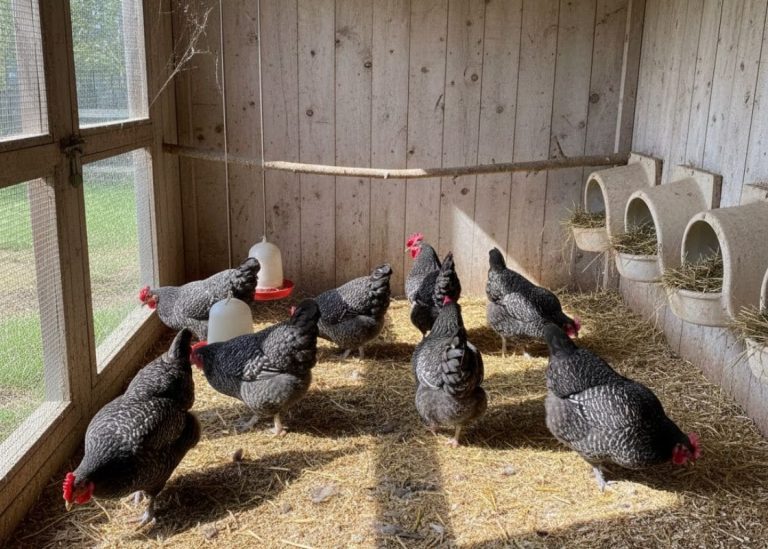
Last Sunday Old Hazel and Maple Fought
It had been a long time since I had seen a real brawl on my farm. Small disagreements happen, of course, a peck too close to a feeder, a reminder of hierarchy, a brief flare that dissolves as quickly as it appears. But an actual fight, the kind that stops you mid-step and tightens your…
It had been a long time since I had seen a real brawl on my farm. Small disagreements happen, of course, a peck too close to a feeder, a reminder of hierarchy, a brief flare that dissolves as quickly as it appears.
But an actual fight, the kind that stops you mid-step and tightens your chest, that had not happened in years.
That is why last Sunday shocked me.
Old Hazel, the Hen Who Never Walked Like the Others
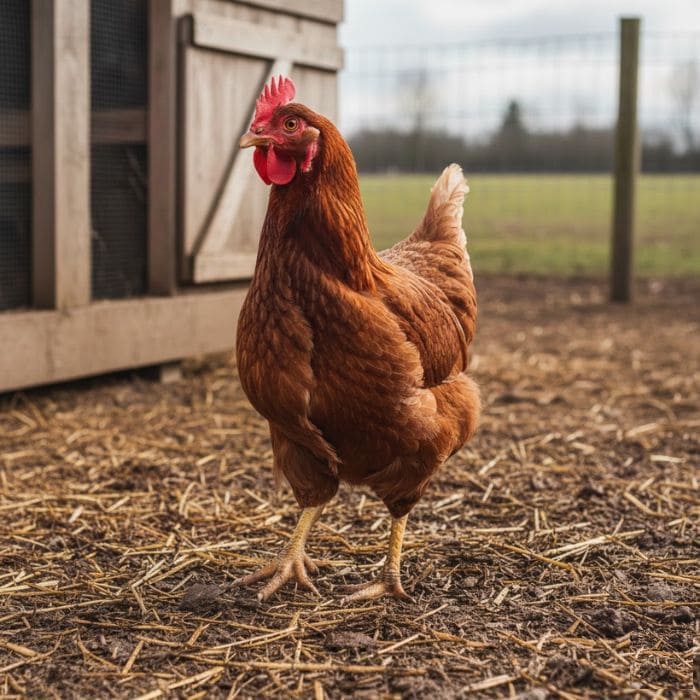
Old Hazel is a Rhode Island Red, and she has been with me long enough that I sometimes forget how much she stands out. She walks with a slight limp, the kind you only notice once you know her well.
Years ago, during a wet winter, she injured one foot. It healed, but never perfectly. Since then, she has moved through the flock with a measured, uneven gait, slower than most, but never hesitant.
What makes Hazel special is not her injury, but how she adapted to it. She learned to choose her paths carefully, to arrive early rather than rush, to hold her ground without charging. Other hens learned to respect her space.
She rarely needs to assert herself. Her authority comes from consistency, not force. Watching her over the years taught me that leadership does not always look strong from the outside.
Maple, the Leghorn Who Never Misses a Moment
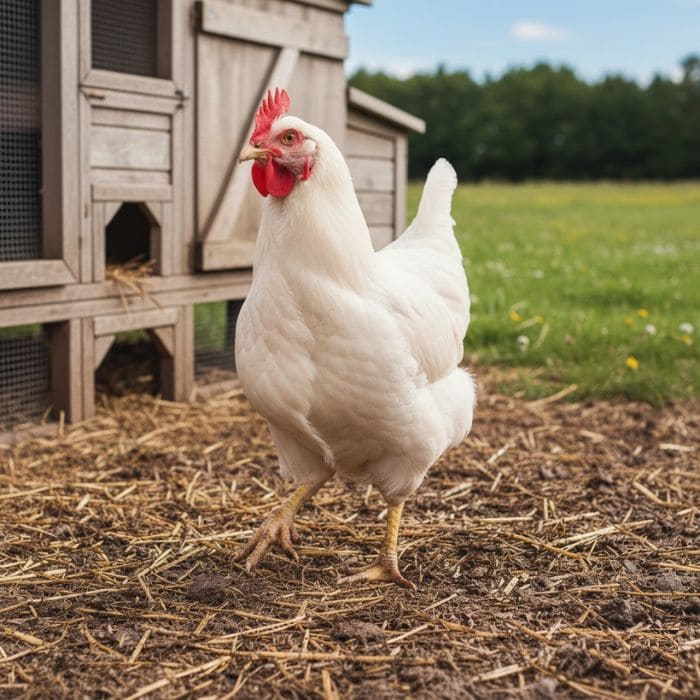
Maple is the opposite in almost every way. She is a Leghorn, alert, quick, and always the first to notice change.
If a gate opens, Maple is there. If a bucket moves, Maple is watching. She walks lightly, fast, and with confidence that borders on impatience. Where Hazel waits, Maple advances.
Maple is not aggressive by nature, but she is intensely curious, and curiosity in chickens often translates into movement.
She has never been a troublemaker, but she is always at the center of whatever is happening, simply because she gets there first.
A Perfect Fall Morning
That Sunday morning could not have been better. Fall had settled in gently, the air cool but not cold, the light soft and golden.
At 7:30 a.m., I opened the gates and released the flock into the open area for their morning activity. They poured out calmly, spreading across the land, scratching, stretching, warming themselves in motion.
The Change I Introduced Without Thinking Twice
A few days earlier, I had driven into Yellow Springs village, a place I like because it still feels personal.
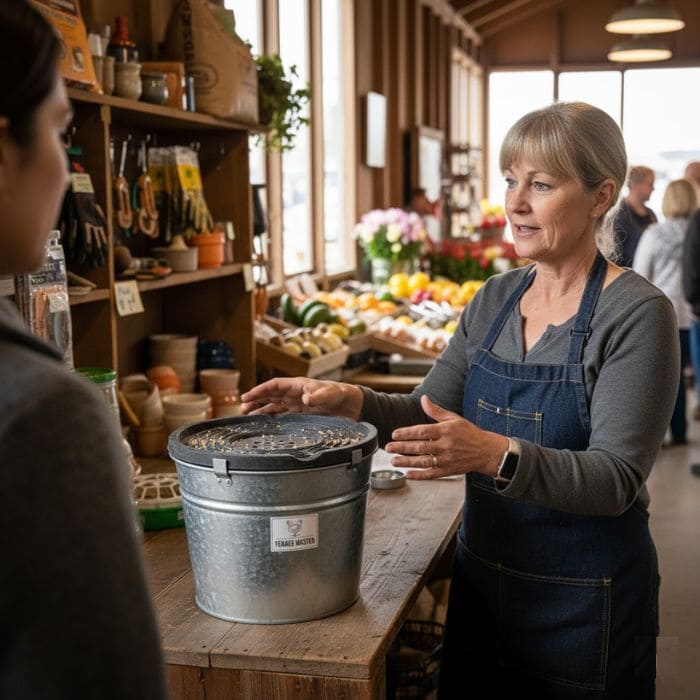
At the local market, small counters line the space, each run by people who know their products well. One stall sold farming supplies, and the woman running it caught my attention immediately.
She showed me a new type of chicken feeder insert, something designed to reduce waste and encourage natural pecking behavior.
It was made from durable rubber and metal, with textured edges and small recesses that held feed just long enough to slow eating without frustrating the birds. She said chickens loved it because it made feeding feel like foraging.
I believed her. It made sense. So I bought one and installed it without much thought.
When Everything Went Wrong at Once
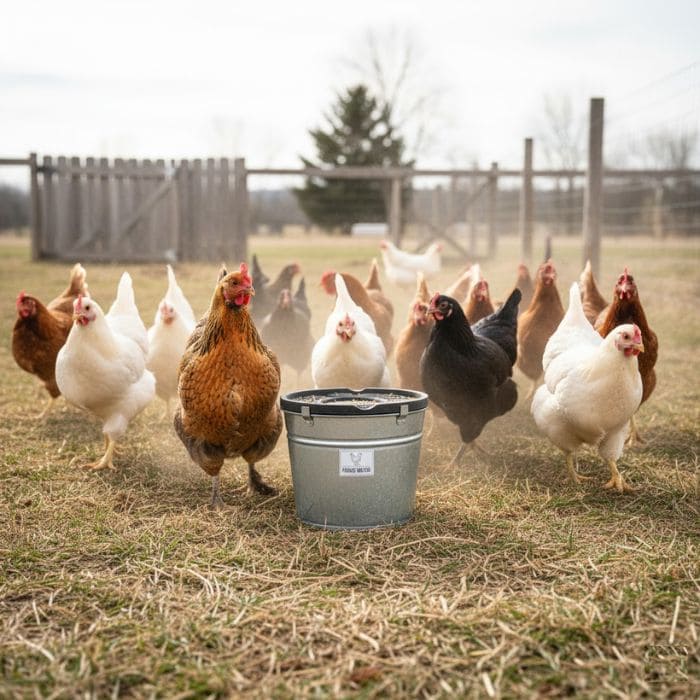
That morning, when I filled the feeder with the new insert, I saw the reaction instantly. Chickens ran toward it faster than I had seen in a long time.
The sound of pecking changed, sharper, more urgent. The feeder did exactly what it was designed to do. It created interest.
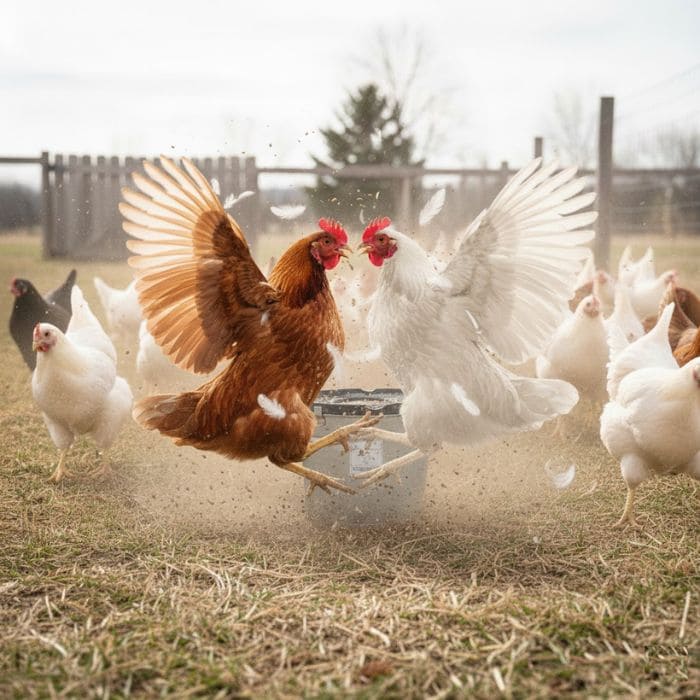
Old Hazel moved toward it early, as she always does, choosing position over speed. Maple, arriving fast as ever, reached the feeder at nearly the same time.
For a moment, neither yielded. Hazel leaned in. Maple pushed forward. The textured edges of the feeder made the feed harder to access quickly, and frustration replaced curiosity.
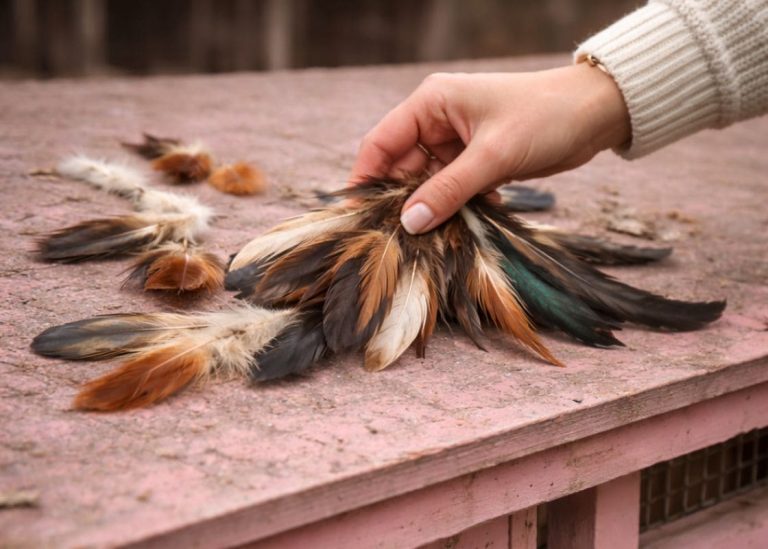
Then it happened. They clashed, wings flared, bodies pressed, feet striking ground hard. Feathers flew. Other birds scattered instantly. The sound was sharp and unmistakable.
Stepping In Without Making It Worse
I did not shout, rushed in swinging arms and just stepped between them calmly, using my body to break the line of sight. Hazel backed off first, her limp making retreat slower but deliberate. Maple hesitated, then turned away, still alert, still keyed up.
The fight lasted only seconds, but it felt longer. Both hens were shaken. Neither was injured, but the message was clear.
I had changed something important in their environment, and they were negotiating it the only way chickens know how.
What I Realized Afterward
The feeder itself was not the problem. The sudden introduction was. Chickens rely on predictability more than we realize.
A new object, a new texture, a new feeding dynamic can disrupt established roles, especially among birds who rarely need to assert dominance.
Hazel and Maple were not fighting because they were aggressive. They were fighting because the rules had changed, and both believed they were entitled to adapt first.
I removed the insert that afternoon and reintroduced it later in a different area, slowly, with multiple access points. Of course, no further fights followed.