Raising Worms for Chickens Saved Me More Money Than I Ever Expected
Have you ever added up your chicken expenses at the end of the year and felt that quiet tightening in your chest, the moment when you realize how much money quietly slipped away in small weekly purchases? That was me during my first two years of raising chickens at scale. At the time, I was…
Have you ever added up your chicken expenses at the end of the year and felt that quiet tightening in your chest, the moment when you realize how much money quietly slipped away in small weekly purchases?
That was me during my first two years of raising chickens at scale. At the time, I was focused on doing everything right.
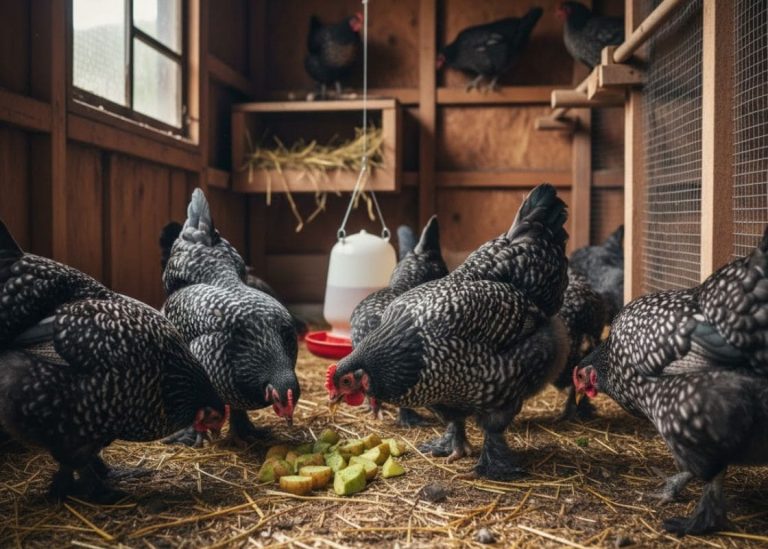
High-quality commercial feed, protein supplements, occasional treats, grit, calcium, and seasonal boosts. Emergency bags bought in a rush when supply ran low.
Each purchase felt reasonable on its own, but together they formed a number I couldn’t ignore anymore.
When I finally sat down and added it all up, the total surprised me more than I like to admit.
The Bills That Opened My Eyes
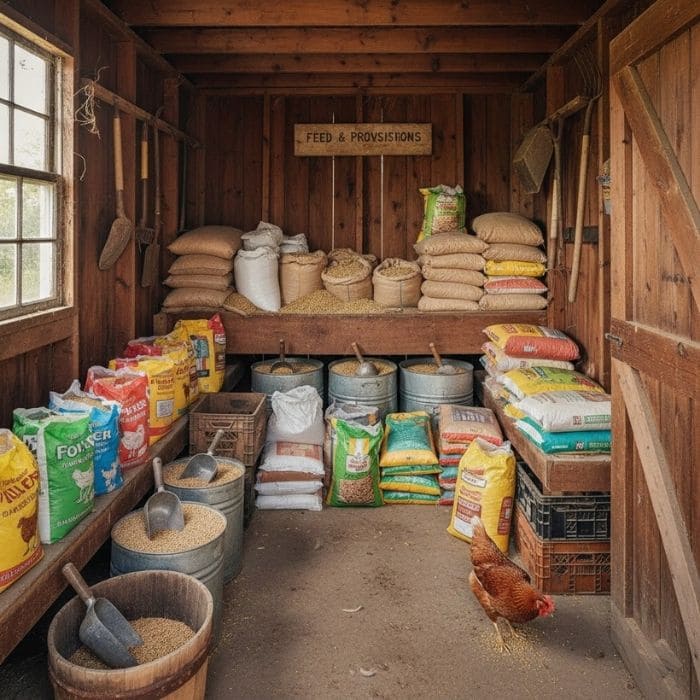
During those first two years, my flock was large and active, and my feed routine reflected that. On average, I was spending:
- Layer feed: roughly $45-$55 per 50 lb bag, going through several bags each month
- Protein supplements and treats: an additional $80-$120 per month
- Seasonal boosters and scratch grains: around $600-$800 per year
- Emergency feed runs: unpredictable, but costly when prices spiked
By the end of the year, feed alone pushed well past $6,000, and that number didn’t include bedding, repairs, or veterinary care. It was just food.
I sat at my kitchen table, receipts spread out, thinking that something had to change.
Why I Started Looking at Worms Differently
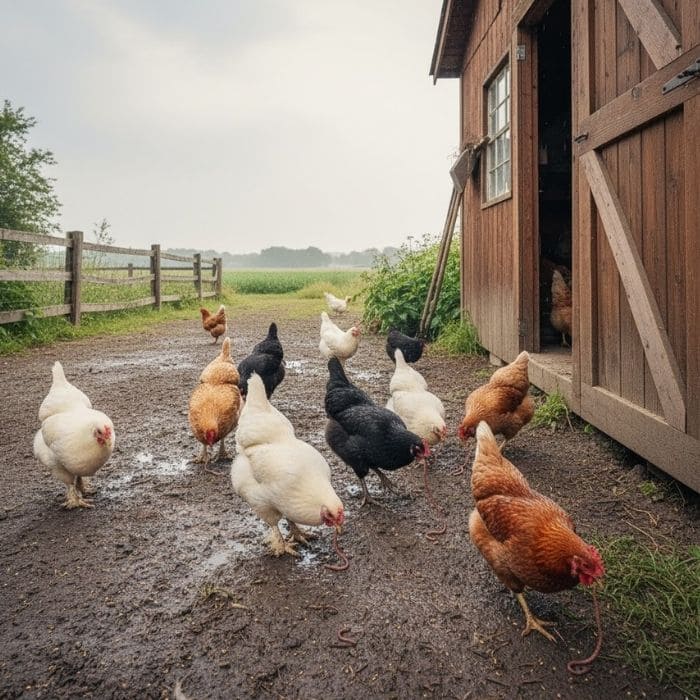
The idea of raising worms didn’t come from a book or a trend, it came from watching my chickens.
Every time it rained, the flock exploded with excitement. They ran, scratched, and competed for worms as if nothing else mattered. Worms weren’t just treats. They were instinctively valuable food, rich in protein, moisture, and nutrients that chickens evolved to seek.
That’s when it clicked for me. If worms were already one of the most valuable foods my chickens could find, why was I buying so much processed protein instead of growing it myself?
Why Red Wigglers Became My Choice
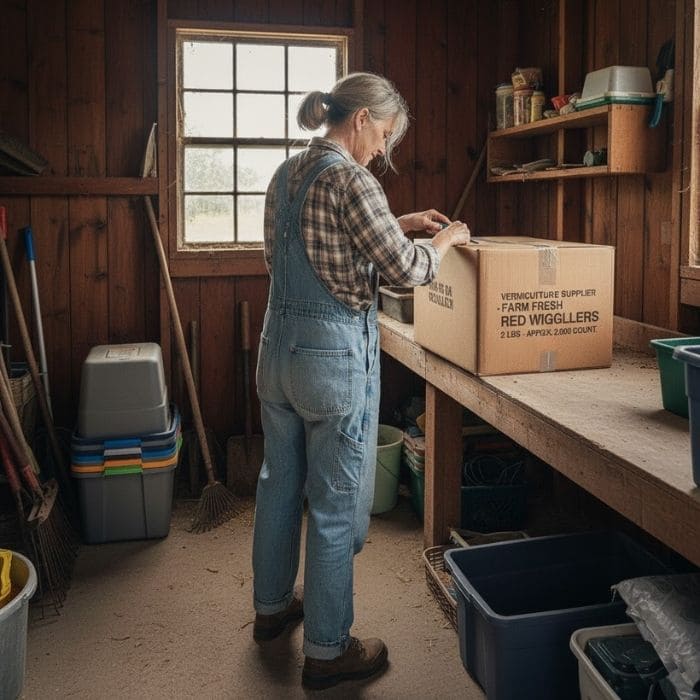
I chose red wigglers because they are ideal for controlled environments. They don’t burrow deep into soil like earthworms, they reproduce quickly, and they thrive in compost-style systems. Most importantly, they tolerate crowding well, which makes them perfect for consistent production.
I ordered my first batch from a local vermiculture supplier about an hour’s drive from my farm, purchasing two pounds of red wigglers, which translates to roughly 2,000 worms. That number sounds impressive, but in worm terms, it’s just a starting point.
Setting Up My First Worm System
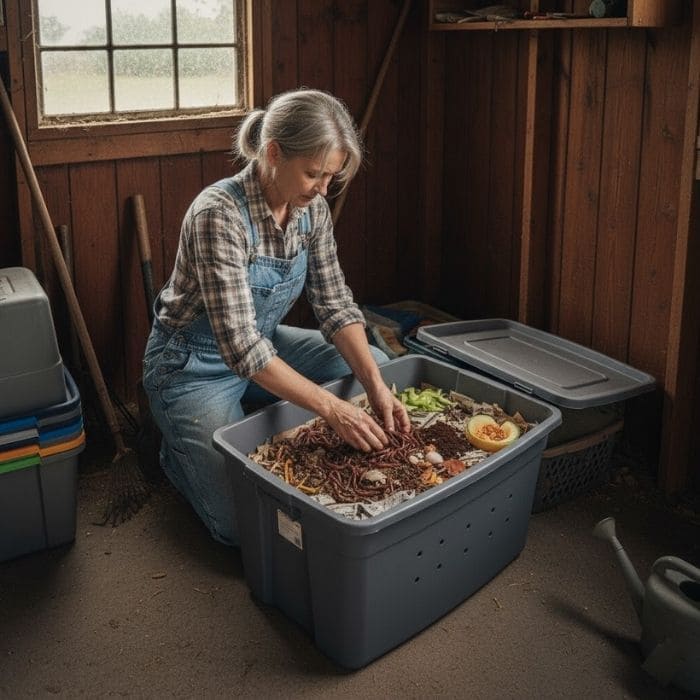
I started with a large plastic storage container, roughly 90 liters, the kind you can find at any farm supply store or hardware shop. I drilled small air holes along the sides and lid, ensuring airflow without letting pests in.
The container stayed in a shaded corner of my shed where temperatures remained stable, ideally between 55°F and 75°F.
Inside, I layered shredded cardboard, newspaper, and dried leaves, lightly moistened until it felt like a wrung-out sponge.
Then I added a small amount of garden soil to introduce beneficial microbes before gently placing the worms on top and letting them burrow naturally.
I fed them kitchen scraps sparingly at first. Vegetable peels, crushed eggshells, coffee grounds, and melon rinds became their main diet. I avoided citrus, salty foods, and anything oily, because worms are sensitive and slow to forgive mistakes.
What the Routine Actually Looks Like
I fed the worms twice a week, burying food lightly under bedding to prevent odor and flies. Every few days, I checked moisture by hand, adding a bit of water if things felt dry. The worms did the rest.
Within a month, their population noticeably increased. Within three months, I was harvesting worms regularly without reducing the colony’s size.
How Worms Changed My Feed Costs
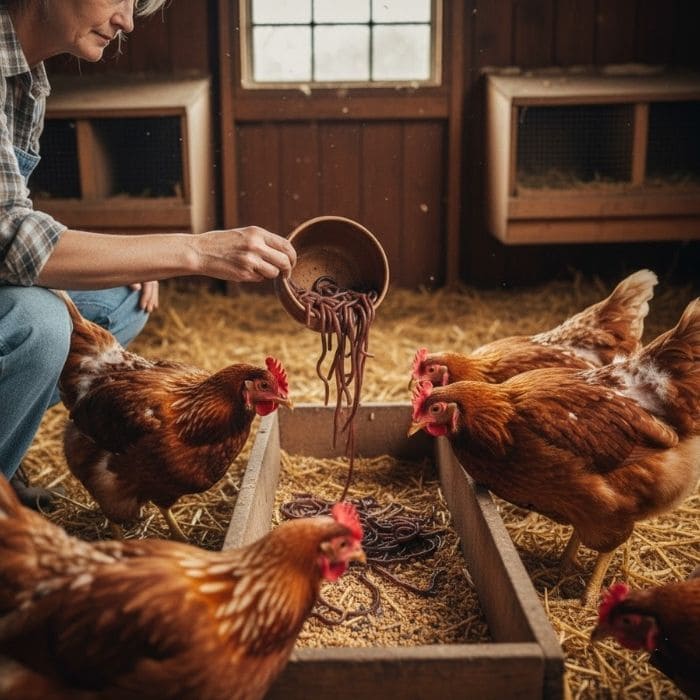
Instead of buying protein treats, I began harvesting worms directly for my flock, especially during molting, breeding stress, and cold seasons. Worms became a live protein supplement, free after setup, and packed with amino acids, moisture, and minerals.
I reduced commercial protein purchases by more than half in the first year. Feed consumption dropped slightly as well, because chickens receiving worms stayed fuller longer and showed better feather condition.
By the end of the year, my feed-related expenses had dropped by over $2,000, and the system was still producing more worms than my flock could eat in a week.
What I Noticed in My Chickens
I see feather quality improved, especially during molting. Egg yolks deepened in color. Chickens stayed more active and engaged, because hunting worms stimulates natural behavior rather than passive feeding.
Specially, the flock felt healthier overall, more resilient, and less dependent on purchased supplements.
What I’d Tell Anyone Considering Worms
Raising worms isn’t glamorous, and it isn’t instant. It requires patience during the first few weeks and restraint when feeding. Overfeeding is the fastest way to ruin a worm bin.
But once the system balances itself, it becomes one of the most reliable, low-cost investments I’ve ever made on my farm.