Believe or Not, My Hubbard Chickens Could Forecast Weather
I do not remember the exact day, only that it was sometime in last July, during a summer that felt unlike any other I have lived through in North Hollow. I have been here long enough to know our patterns. Summers are usually warm, sometimes humid, and Ohio storms come and go with enough warning…
I do not remember the exact day, only that it was sometime in last July, during a summer that felt unlike any other I have lived through in North Hollow.
I have been here long enough to know our patterns. Summers are usually warm, sometimes humid, and Ohio storms come and go with enough warning that you learn how to prepare without panic. But last year did not follow those rules.
From April through July, the heat settled in early and refused to leave. Day after day climbed into the high 80s and 90s Fahrenheit, and the nights offered little relief.
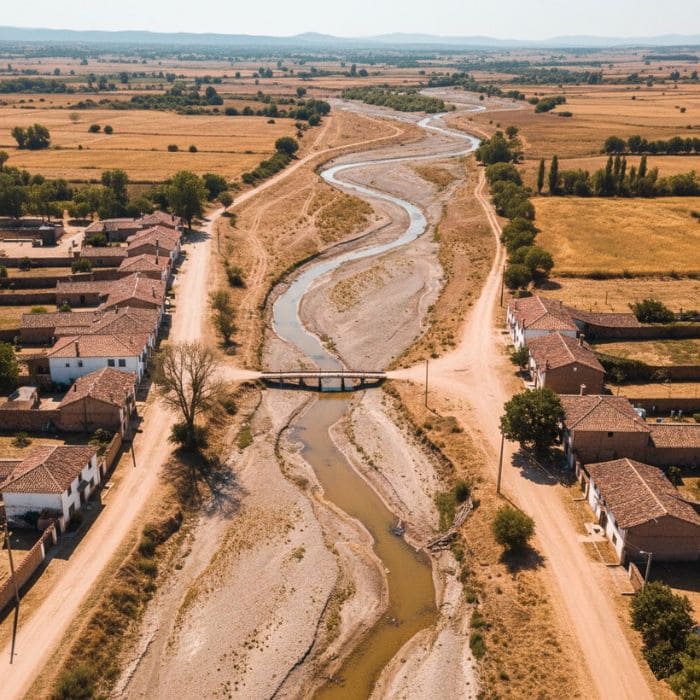
In four months, our village saw rain only three times. The Cuyahoga River, which runs quietly through North Hollow, dropped so low that some stretches looked more like exposed stone than moving water. I had seen dry spells before, but never one that lasted this long or felt this heavy.
By July, the land felt tired. The air felt tight and the animals knew it before I did.
The Night My Hubbard Coop Would Not Settle
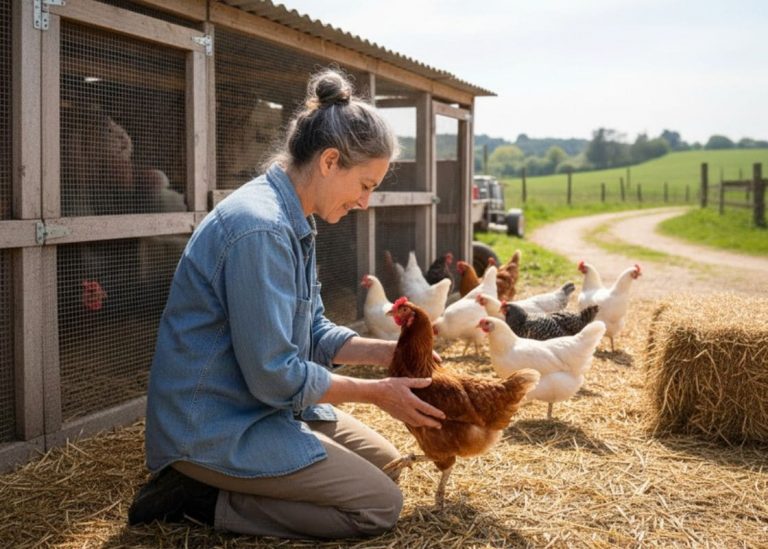
That evening, I walked my coops the same way I always do, slow and familiar, checking doors, listening for the normal settling sounds. Everything looked ordinary until I reached the Hubbard coop.
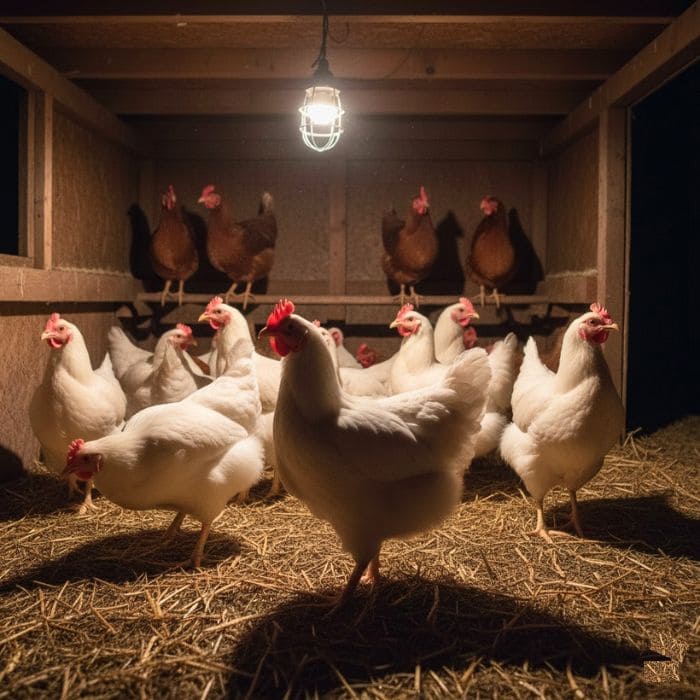
Over half of the Hubbard chickens were unsettled at bedtime. They did not rush to roost like usual.
Some refused to go inside at all and paced the run instead while others walked in short, tight circles, making sharp alarm sounds that reminded me of an egg song, except no egg followed and the tone was wrong. It was urgent, uneasy, and collective.
I stood there longer than usual, watching. I had not raised Hubbards for very long at that point, so I questioned myself.
Maybe I had misread them, maybe it was heat stress lingering from the day. Still, something about it stayed with me. They were not panicking, but they were not calm either. It felt like waiting.
The Storm That Arrived Before Dawn
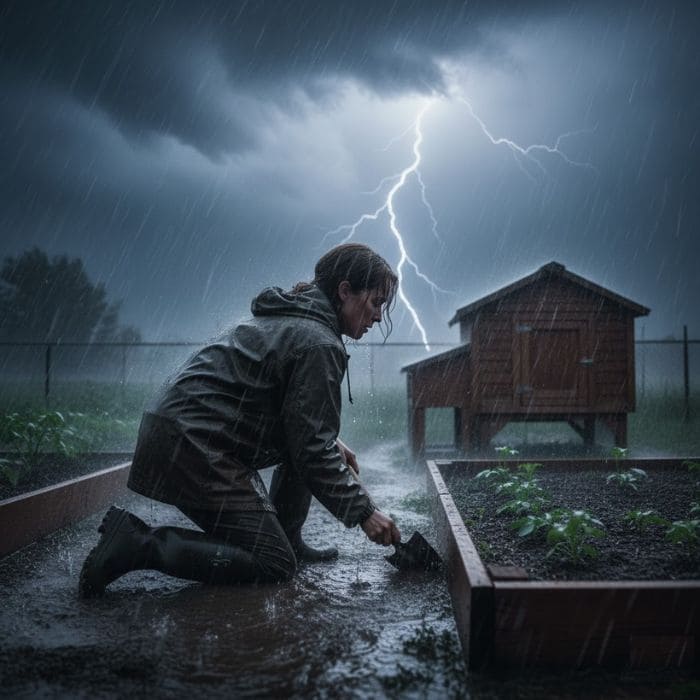
Around 5 a.m., I woke to a sound that did not belong to summer heat. Wind came first, sudden and loud, followed by rain so heavy it drowned out everything else.
By the time I reached the porch, the storm was already violent. Sheets of rain moved sideways and thunder cracked close enough to rattle the windows.
The weather forecast later described it casually, rain after a long hot spell, but standing in it felt nothing like casual.
I moved quickly, pulling on boots and grabbing tools, checking that coop doors were secure and drainage paths were clear. I redirected water away from the smaller garden beds as best I could, digging shallow channels by hand while rain soaked through my clothes.
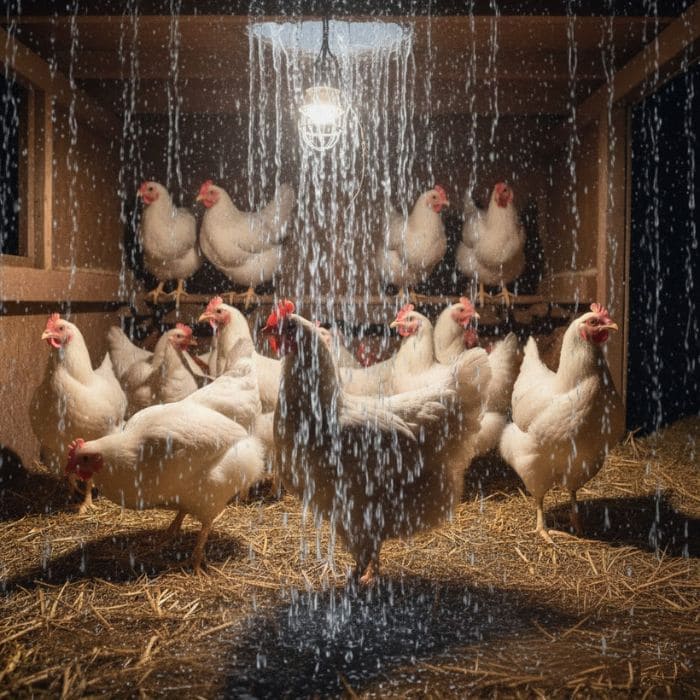
Despite everything, the storm was stronger than I expected. Wind tore at the roof of the Hubbard coop, and by morning I found several holes where panels had lifted and split. Rainwater had poured inside.
Some birds survived soaked but shaken while a few did not. Losing them hurt in a way that only feels worse because I had stood there the night before, watching them warn me in their own language.
What the Hubbards Were Telling Me
Looking back, the signs were clear. The unsettled pacing, the refusal to roost and the alarm calls without a visible threat.
The flock knew something was coming that I could not yet see. They reacted to pressure, humidity, and changes in the air long before sound or cloud reached me.
Coco and the First Day of Summer
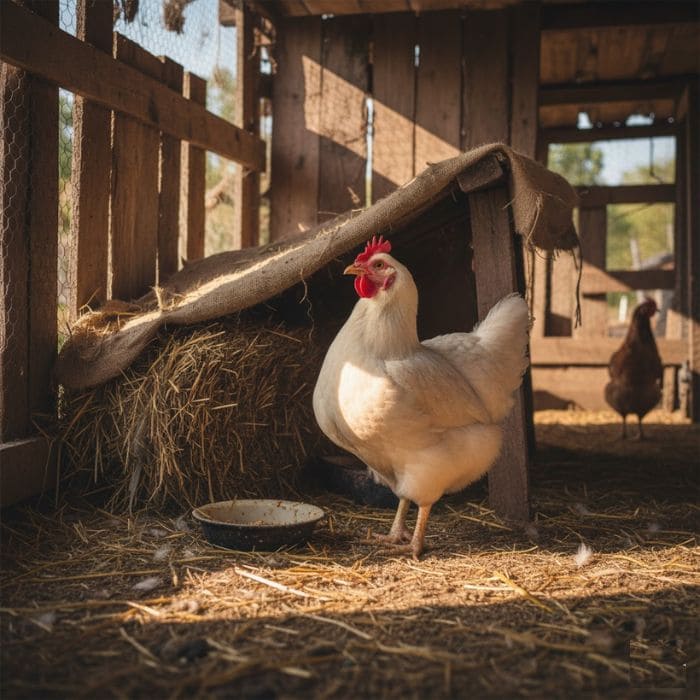
About one month ago, on the first official day of summer, I saw it again, but this time I listened.
One Hubbard hen, whom I call Coco, began acting differently in the early afternoon. She moved less, stayed close to shelter, and kept lifting her head as if listening. Her appetite dropped slightly, and her posture shifted, not sick, but guarded. Within hours, several others mirrored her behavior.
This time, I did not wait. I reinforced the coop roof, checked fasteners, secured loose panels, and cleared debris from drainage areas. I moved tools and feed bins away from open ground and tied back anything that could catch wind.
That evening, the sky still looked deceptively calm. By night, the storm came hard. Rain fell heavily, and wind moved through the property with force.
Two tall trees near my garden, one an old maple and the other a young sycamore, came down under the pressure. Branches scattered across the far edge of the land. But the coops held with no roofs failed and no birds were lost.
What I Trust Now
I do not pretend my Hubbard chickens predict weather the way instruments do. They do not tell me what is coming or how strong it will be. What they tell me is when to pay attention.
When Hubbards refuse to settle, pace instead of roost, or raise alarm sounds without cause, I prepare. I check structures. I secure what I can and I slow down and stop assuming tomorrow will look like today.