I Use Pumpkins as a Natural Dewormer on My Farm
After I shared my story about why I never let my chickens eat green potatoes, a surprising number of readers reached out with concern about another fall favorite. Many of them asked the same question in different ways, wondering whether pumpkins were truly safe for chickens or if they were just another seasonal risk disguised…
After I shared my story about why I never let my chickens eat green potatoes, a surprising number of readers reached out with concern about another fall favorite.
Many of them asked the same question in different ways, wondering whether pumpkins were truly safe for chickens or if they were just another seasonal risk disguised as a treat.
I understand the worry, especially because misinformation travels fast when it comes to chicken care.
Pumpkins often get grouped into the same category as foods people are unsure about, simply because they appear suddenly in large quantities after Halloween and people don’t always know what to do with them.
On my farm, pumpkins are not only safe. They are one of the most useful seasonal tools I have.
How Pumpkins Became Part of My Routine
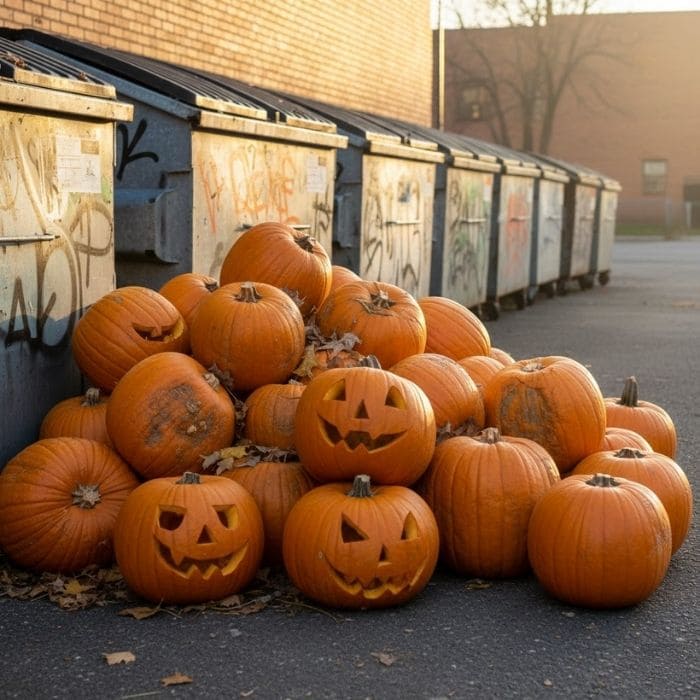
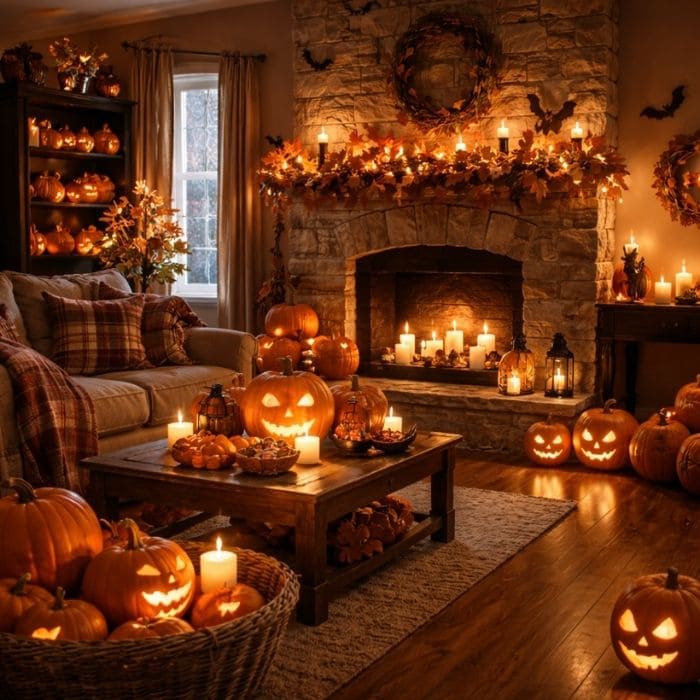
Every year, after Halloween passes, pumpkins show up everywhere. Front porches, roadside stands, and grocery stores all seem eager to get rid of them.
I see them piled near dumpsters, still firm, still bright, and perfectly usable, which has always felt wasteful to me. Instead of throwing them away, I bring them home.
Pumpkins have been part of my fall routine for years now, not as decoration, but as food and support for my flock. Chickens love them, and more importantly, pumpkins offer real health benefits when used properly.
Why Pumpkins Are Good for Chickens
Pumpkins are rich in fiber, beta-carotene, and moisture, which already makes them a healthy seasonal treat.
What really sets them apart, however, is the pumpkin seeds. The seeds contain compounds, including cucurbitacin, that are widely believed to help create an intestinal environment that is less friendly to internal parasites.
I want to be clear here. Pumpkins are not a replacement for veterinary care or medical dewormers when a serious infestation is present.
What they are, in my experience, is a gentle, supportive, preventative tool that helps keep worm loads lower during a season when chickens are already under stress from weather changes and molting.
On a farm like mine, prevention matters just as much as treatment.
How I Prepare Pumpkins for My Chickens
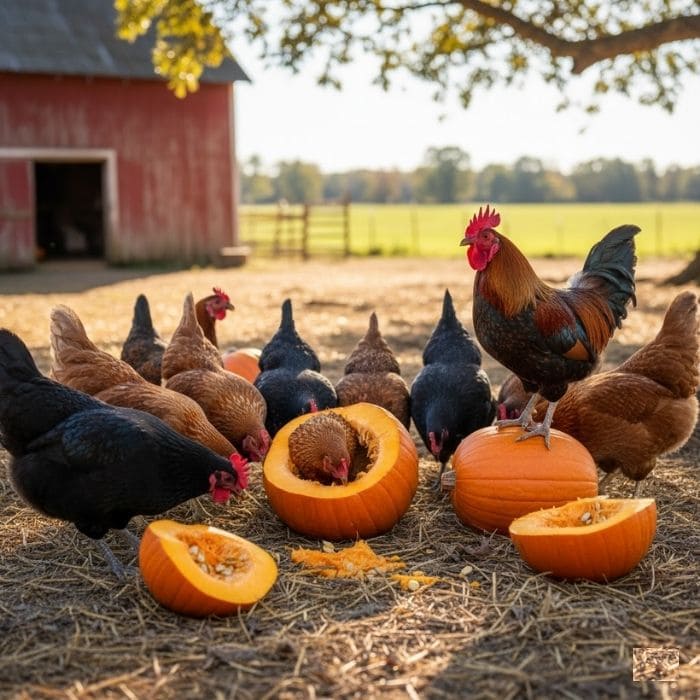
Once pumpkins arrive on the farm, I inspect them carefully. I only use pumpkins that are still firm, free from mold, and not overly soft or rotten. Any pumpkin showing signs of spoilage goes straight to the compost pile instead.
For good pumpkins, I cut them in half or into large chunks, depending on size. I leave the seeds inside, because that’s where much of the benefit comes from. I don’t cook them, season them, or process them further. Raw pumpkin is exactly what the flock prefers.
I place the pieces directly on the ground in areas where multiple birds can gather without crowding.
Watching chickens work at a pumpkin is something I never get tired of. They peck at the flesh, scoop out seeds, and gradually hollow it out from the inside.
How Often I Offer Pumpkins
Pumpkins are not an everyday food on my farm. I offer them once or twice a week during fall, usually for a few hours at a time. That frequency seems to provide benefits without upsetting digestion or replacing balanced feed.
After a few hours, I remove what’s left and either compost it or move it to another area later. Leaving pumpkins out too long can attract pests, so timing matters.
What I’ve Noticed Over the Years
Since making pumpkins part of my fall routine, I’ve noticed several consistent changes.
Droppings remain more uniform, birds maintain better weight through molting, and feather quality improves, likely due to the added nutrients and hydration. Overall energy stays steadier during a season when many flocks struggle.
I can’t point to a single moment and say, “This pumpkin did that,” but farming rarely works that way.
What I can say is that years of observation have taught me that flocks receiving pumpkins regularly in fall tend to move through the season more smoothly.
Addressing the Common Concerns
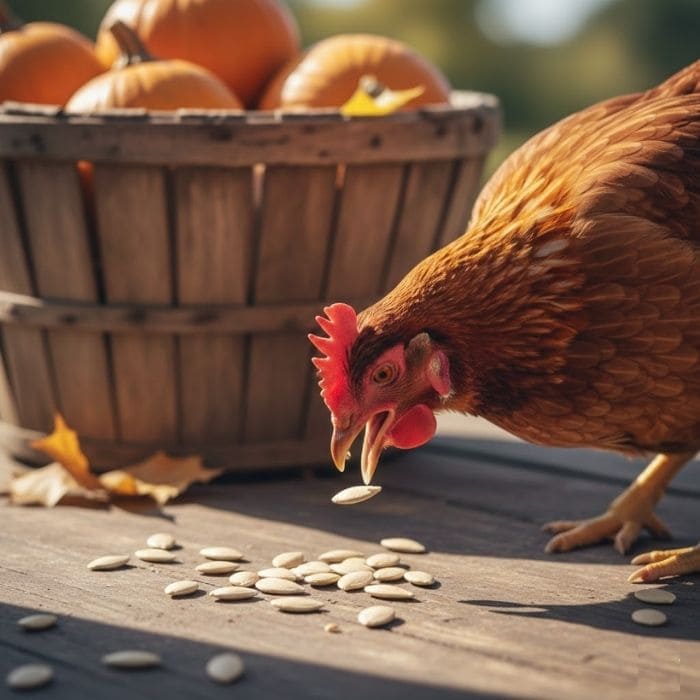
Some readers worry that pumpkin seeds might cause blockages or digestive issues. In my experience, that risk comes from offering too much of anything at once.
Chickens are excellent at self-regulating when treats are presented whole and naturally. They peck, pause, and move on rather than overconsuming.
Others worry that pumpkins are too sugary. While pumpkins do contain natural sugars, they are balanced by fiber and water, making them far gentler than many processed treats people offer without hesitation.
Pumpkins are not harmful when used as intended, thoughtfully and in moderation.