Never Let Your Chickens Eat Green Potatoes
Late summer in North Hollow is usually generous. The days are long, the garden is full, and most years the season tapers gently into early fall. This year was different. A heavy storm moved through our village with very little warning, the kind that arrives loud and fast and leaves you walking the land afterward,…
Late summer in North Hollow is usually generous. The days are long, the garden is full, and most years the season tapers gently into early fall.
This year was different. A heavy storm moved through our village with very little warning, the kind that arrives loud and fast and leaves you walking the land afterward, counting what survived.
I had followed the weather forecast closely and prepared the farm the way I always do when storms are coming. Coops were reinforced, roofing checked, loose items secured, drainage cleared.
When the storm finally passed, I felt a familiar relief as I walked the property and realized that almost everything had held. The coops were intact, fencing stood firm, and aside from a few broken branches, the land looked steady.
The Potato Patch That Forced My Hand
This year, I had planted a modest potato bed, not a commercial patch, just enough for household use and sharing with neighbors.
The plants had grown taller than I expected, lush and green, supported by good soil and a stretch of warm weather. I had mulched well and hilled carefully, but the storm flattened everything.
Stems snapped and leaves pressed into the soil. In several places, the earth had shifted enough to expose the tubers to daylight. When I knelt down and brushed soil aside, I saw the telltale green tint along the skins.
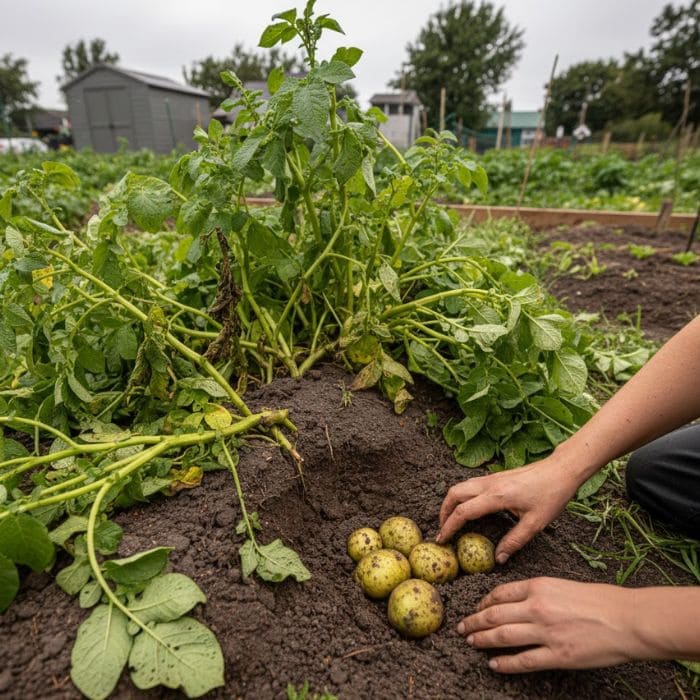
The potatoes were immature and green. It had only been about 70 days since planting, and they needed at least another two weeks to reach proper maturity.
Under normal circumstances, I would have left them alone. But the plants were broken beyond recovery, and leaving the tubers in the ground would have invited rot, pests, and disease.
So I harvested early, knowing these potatoes were not meant for my table.
A Decision That Seemed Logical at the Time
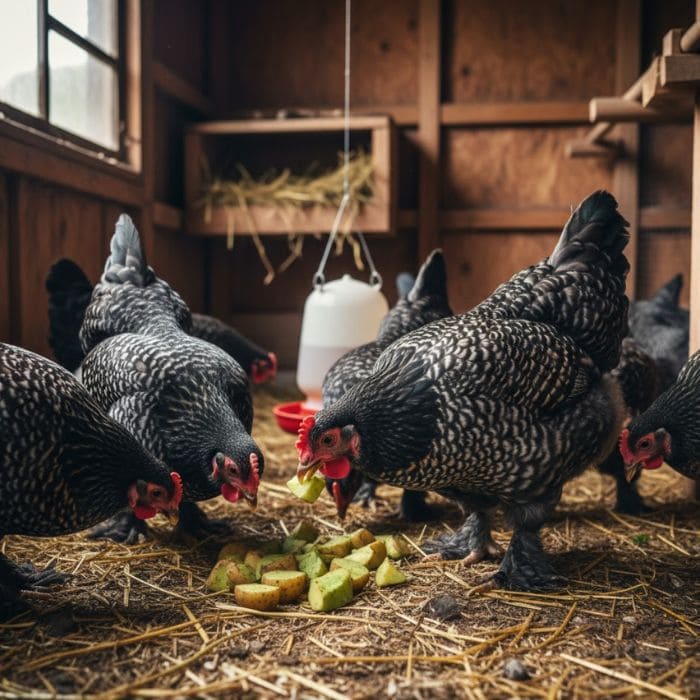
Later that afternoon, I stood in my kitchen looking at buckets of small, firm potatoes with green skins. I couldn’t eat them, and composting such a large amount felt wasteful.
At that moment, I made a decision that I would later regret. Chickens eat scraps, garden waste, and even things we don’t. That line of thinking felt reasonable, especially after a long day of cleanup and decision-making.
I cut the potatoes into smaller pieces, believing size might matter, and carried them to the coop. I added them to the feeder as a temporary treat, thinking I was being resourceful rather than careless.
The first birds to approach were my Plymouth Rocks, calm and curious as always. They pecked without hesitation.
When Instinct Finally Caught Up With Me
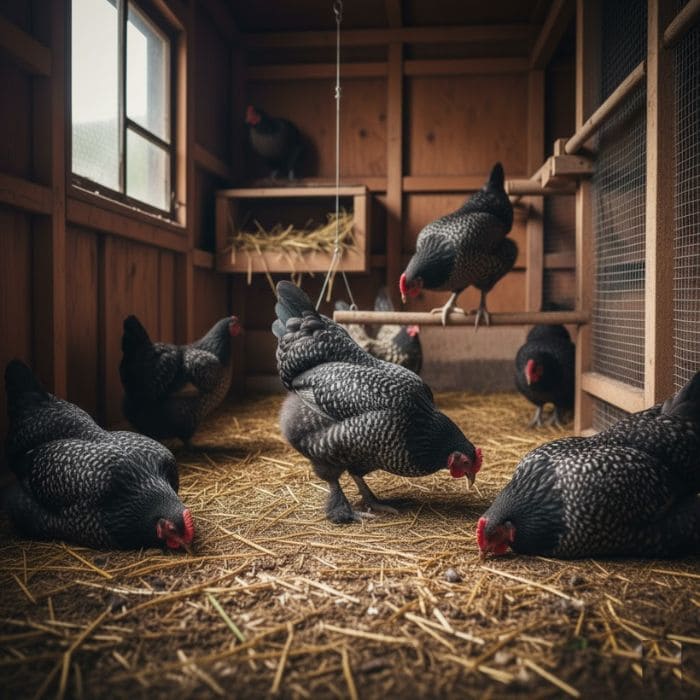
At first, nothing seemed wrong. The birds moved away from the feeder, returned, and carried on.
I left the coop with a quiet unease, but not enough concern to stop everything immediately. A few hours later, that unease sharpened.
The Plymouth Rocks were quieter than usual. Movement slowed. A few birds stood apart from the flock with their heads slightly lowered, posture tight instead of relaxed. One hen hesitated when stepping down from a roost, misjudging her footing before correcting herself.
That moment stopped me cold. Experience doesn’t always prevent mistakes, but it does sharpen recognition when something feels off.
What Green Potatoes Actually Do to Chickens
Green potatoes contain solanine, a natural toxin that develops when potatoes are exposed to light or harvested before maturity. Solanine affects the nervous system and digestive tract.
In chickens, exposure can lead to weakness, loss of coordination, digestive distress, lethargy, and in severe cases, death.
Cutting potatoes into smaller pieces does not reduce the toxin. Feeding only a small amount does not make it safe.
Cooking does not reliably neutralize solanine either, especially when exposure has already occurred. And raw, green potatoes are dangerous. Full stop.
Acting Quickly Before the Damage Grew
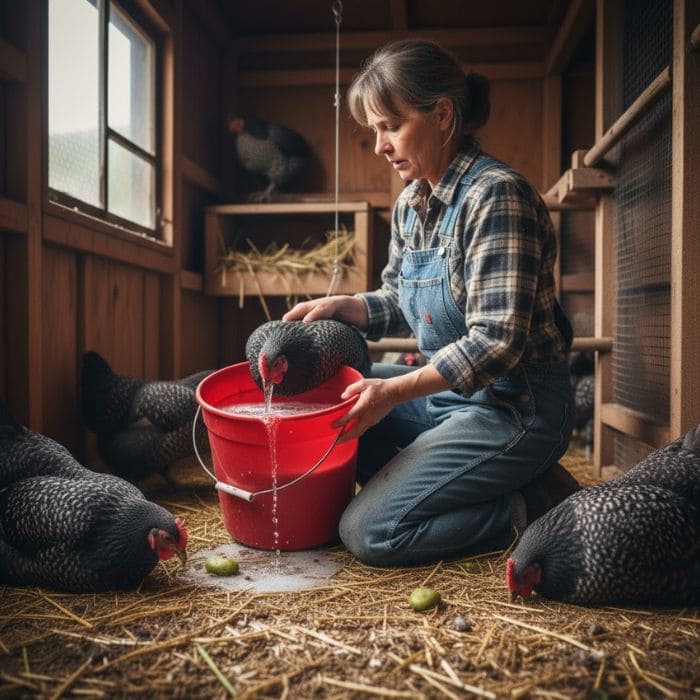
The moment I understood what was happening, I removed every remaining piece of potato from the coop.
I flushed the waterers and refilled them with clean water, adding electrolytes to support hydration and recovery.
Then I isolated the birds showing the most noticeable symptoms and placed them in a warm, quiet space where I could monitor them closely. I offered no treats, only their regular feed, and watched.
That night felt longer than it should have. I checked breathing, posture, balance, and alertness more times than I can count. I listened for changes in sound and movement. Slowly, the tension eased.
By morning, the birds were moving more confidently. Appetite returned cautiously. No one worsened. I was lucky.
The Lesson That Stayed With Me
Since that day, I treat questionable harvests with far more care. If I wouldn’t eat it myself, and if I cannot confirm its safety with certainty, it does not go to my chickens. No exceptions.
Those green potatoes were discarded completely, and that was the correct decision, even if it felt wrong at the moment.
Every time I watch my Plymouth Rocks walking steadily across the yard now, I remember how close I came to learning this lesson in a harsher way.