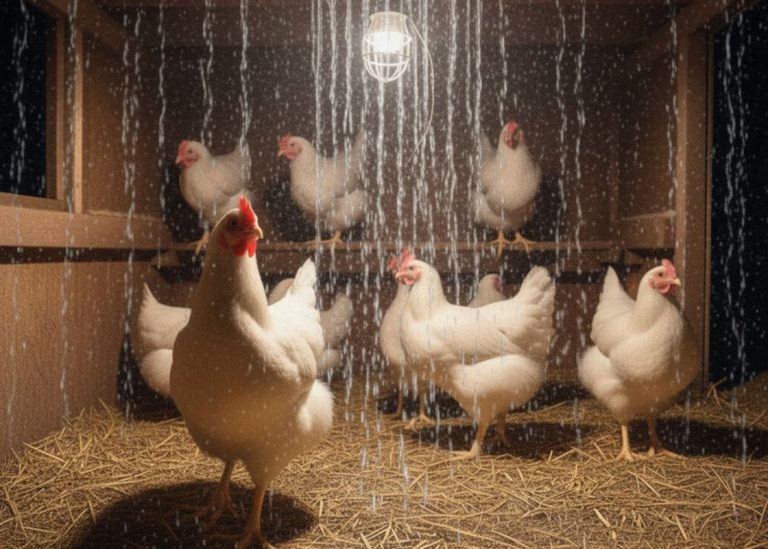
This Is The Easiest Breed to Care for in My Coops
There are many breeds on my farm, and each one carries its own rhythm, its own demands, and its own way of shaping my day. Some birds require constant adjustment, some test my patience in small daily ways, and others reward effort with beauty or production. Every once in a while, though, a breed surprises…
There are many breeds on my farm, and each one carries its own rhythm, its own demands, and its own way of shaping my day. Some birds require constant adjustment, some test my patience in small daily ways, and others reward effort with beauty or production.
Every once in a while, though, a breed surprises you by doing something far rarer on a working farm.
It makes your life noticeably easier without asking for anything in return. That is exactly what happened when I brought Plymouth Rocks onto my land.
I rarely mention them in my writing, not because they are uninteresting, but because nothing ever went wrong with them.
I started with just ten Plymouth Rocks, and over time they became the birds I now consider the easiest to care for in my entire flock.
Why I Only Brought Home Ten Plymouth Rocks
When I brought them home, I wasn’t looking for a new favorite. My coops were already full of birds with strong personalities and very specific needs, and I wasn’t interested in adding complexity to my routine.
I chose Plymouth Rocks almost out of curiosity, wanting to see how an old, well-established breed would compare to the more demanding chickens I was already managing.
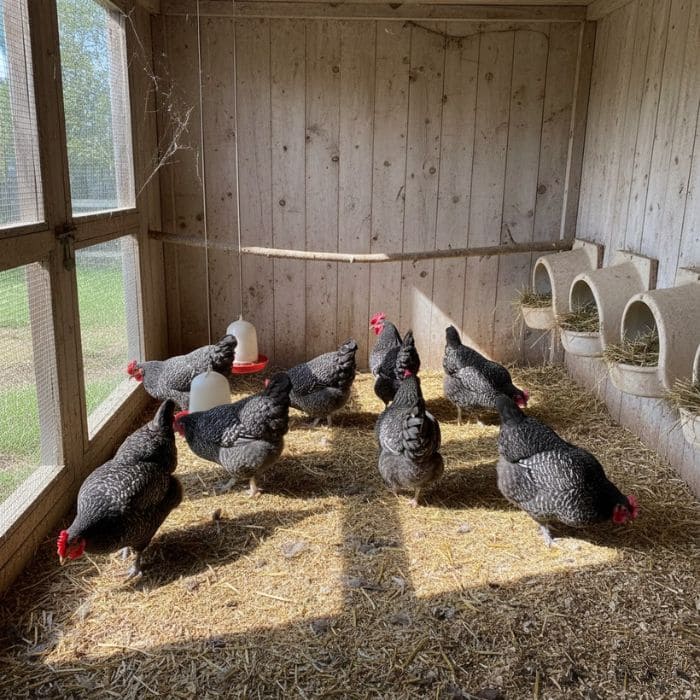
They arrived on an early spring morning, their black-and-white barred feathers clean and neatly patterned even after transport. What caught my attention immediately was their calmness.
Most new birds arrive nervous, vocal, and stiff with stress, but these ten stepped out of the crate slowly, paused to take in their surroundings, and then began exploring as if they had always belonged there.
Living With Plymouth Rocks Day to Day
Plymouth Rocks have a grounded presence that becomes more noticeable the longer you live with them.
They are medium to large birds with broad backs and well-balanced frames, and their barred feathers stay surprisingly clean even after rain or dust baths. Their plumage seems to shed dirt more easily than most, which means less maintenance and fewer problems during wet seasons.
Their behavior is measured rather than lazy. They move with purpose but without panic, rarely startling at sudden sounds or unfamiliar movement.
At feeding time, they approach steadily instead of rushing, and they do not crowd or bully others. That calm energy spreads through the coop, reducing stress for every bird sharing the space.
From the first week, they found their place in the flock without conflict, neither challenging dominant birds aggressively nor shrinking into the background.
Health, Feeding, and Weather Tolerance
One of the reasons Plymouth Rocks impressed me so deeply was how little special care they required. They eat consistently without overeating or wasting feed, and they maintain healthy body weight without constant adjustment.
Their legs stay strong, their feet remain clean, and respiratory issues have been almost nonexistent in my experience.
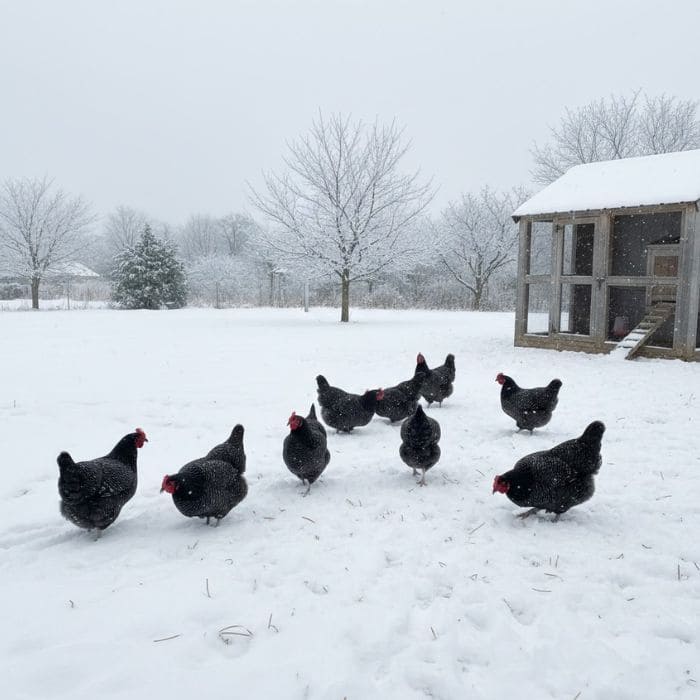
Weather changes seem to bother them far less than other breeds. Cold mornings, damp afternoons, and sudden shifts in temperature don’t disrupt their behavior or appetite.
Their dense feathering insulates them well, and their bodies hold warmth efficiently without needing extra intervention.
Egg Production Without Constant Attention
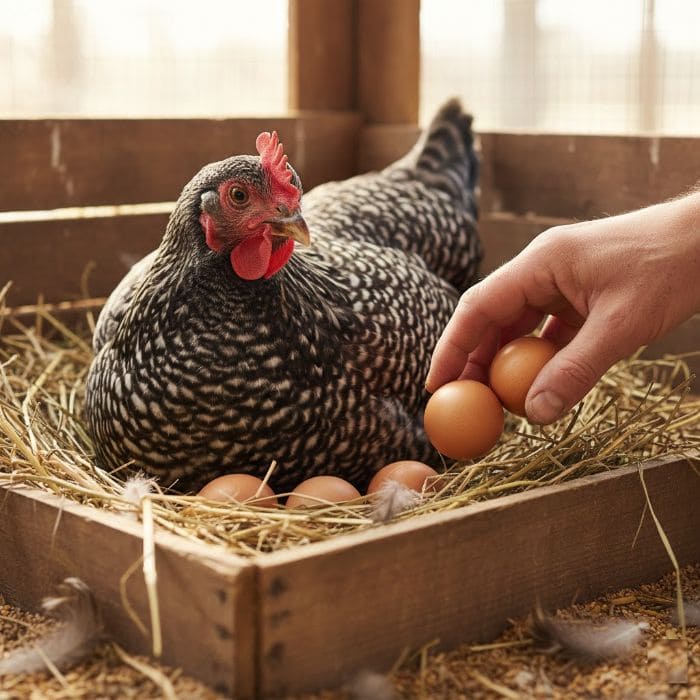
Plymouth Rocks lay medium to large brown eggs with strong shells and reliable consistency. They don’t lay at the frantic pace of Leghorns, but they produce steadily, even as seasons shift.
Egg size remains uniform, shells stay firm, and nesting behavior is predictable, which reduces breakage and waste.
I never had to correct nesting habits or manage egg-eating behavior with them, which is more valuable than people realize..
Why I Recommend Plymouth Rocks Now
When people ask me which breed I would recommend to someone who wants chickens without constant stress or complicated management, I answer with much more confidence now.
Plymouth Rocks tolerate beginner mistakes, adapt easily to different coop layouts, handle weather changes gracefully, and rarely demand special intervention.
They are not flashy, and they don’t draw attention with unusual coloring or dramatic behavior. Instead, they earn their place by being steady, forgiving, and dependable, qualities that become more valuable the longer you keep chickens.